

A loaf of bread and a bag of apples are a very different load from a case of drinks or a large sack of pet food. Both are grocery shopping, but they place different demands on an electric trike. Before deciding what to bring home, it helps to know exactly which weight limit applies to which part of the vehicle.
For the CroSight T3, there is a limit for the trike as a whole, separate limits for the two baskets, and a separate structural limit for the seat. These numbers are not interchangeable, and they cannot be added together.
CroSight T3 load capacity: four numbers to keep separate
| Where the load goes | Confirmed upper limit | What it means |
|---|---|---|
| Overall trike | 600 lb (about 272 kg) | Overall carried-load capacity, including the rider and cargo |
| Rear basket | 88 lb (about 40 kg) | Maximum load in the rear storage basket |
| Front basket | 44 lb (20 kg) | Maximum load in the front storage basket |
| Seat structure | 250 kg (about 551 lb) | Separate structural limit for the seat itself |
The seat's 250 kg figure is not extra carrying capacity on top of the 600 lb overall rating. Likewise, the rear basket's 88 lb limit does not mean the trike can carry an additional 88 lb after reaching its overall limit. Every relevant limit must be respected at the same time.
These are conservative upper limits, not recommended targets for ordinary trips. Repeatedly loading near the limits can accelerate wear and material fatigue as parts age, increasing the risk of cracking. It is better to leave a margin than to make every shopping trip a maximum-load test.
Plan the shopping list around the actual packed weight
Start with the groceries you regularly buy. Weigh the bags after they are packed, including the bags themselves, reusable liners, or other items you plan to carry. Check each basket separately, then consider the rider and all carried items against the overall 600 lb limit.
For example, a 180 lb rider carrying 12 lb of groceries in the front basket and 30 lb in the rear basket has a combined carried load of 222 lb. Both baskets are below their individual limits, and the combined load is below the overall rating. That still leaves two important checks: whether the bags fit properly and whether they can be secured without shifting.
A large capacity number does not mean every item belongs in one basket. A bulky package can be awkward or unsafe even when it is light enough on a scale.
Use the front basket for lighter, easier-to-access items
The CroSight T3 front basket has a confirmed upper load limit of 20 kg, or about 44 lb. For a typical grocery run, this is a useful place for items such as bread, fresh produce, or smaller shopping bags, provided they sit securely inside the basket.
Avoid piling bags above the basket in a way that obstructs your view, lights, or control of the trike. Do not hang extra grocery bags from the handlebars: their movement can make steering and braking less predictable.
Place heavier groceries low in the rear basket
The T3 rear basket is rated for 40 kg, or about 88 lb, as stated in the T3 owner's manual. It may be the more practical location for dense groceries such as canned food or drinks, as long as the load fits and stays within the limit.
Keep heavier items low, spread weight evenly from left to right, and prevent bottles or boxes from rolling around. Place fragile goods where they will not be crushed. Secure the contents and make sure nothing protrudes toward the wheels, chain, brakes, or lights. The rear basket is intended for cargo, not for carrying another passenger.
Check bag dimensions and shape, not just pounds
A bag that is tall and narrow may wobble. A bag with a wide, rigid base may not sit flat in the basket. If you use a fitted basket cover or cargo box, check whether it closes without forcing the contents down.
Before a larger shopping trip, put your usual bags into the baskets while the trike is stationary. Confirm that nothing hangs out, catches on a moving part, or prevents you from handling the trike normally. If an item does not fit cleanly, divide the shopping into two trips instead of forcing it into place.
Make the first loaded trip an easy one
Begin with a small, familiar grocery load rather than aiming for the published maximum. Choose a route with manageable turns, predictable surfaces, and a place to park and lock the trike without blocking an entrance. Set the parking brake before loading or unloading, and leave enough battery charge for the return trip and a possible detour.
On the way home, allow more room for stopping and slow down before turns. If a bag starts moving or rattling, stop in a safe location and secure it again. Motor assistance helps move the trike, but it does not remove the effect of extra weight on handling and braking.
Watch for wear, especially after repeated heavy trips
The loading figures above are upper ratings, not a promise that regularly operating at those weights will cause no long-term wear. Heavy, repeated loading can put more stress on basket bases, mounting points, and other load-bearing parts. As components age, the risk of fatigue and cracks can increase.
Before regular grocery runs, inspect basket mounts and supports for looseness, deformation, or visible cracks. Check that the seat and its mounting parts are secure. If you notice structural cracking or damage, stop using the affected setup and have it checked before carrying more weight.
A practical grocery routine is built around the load you actually need, not the most you could theoretically carry. Keep a few shopping bags that fit well, note which items belong in each basket, and increase the load only when the ride remains stable and everything stays within its rating.
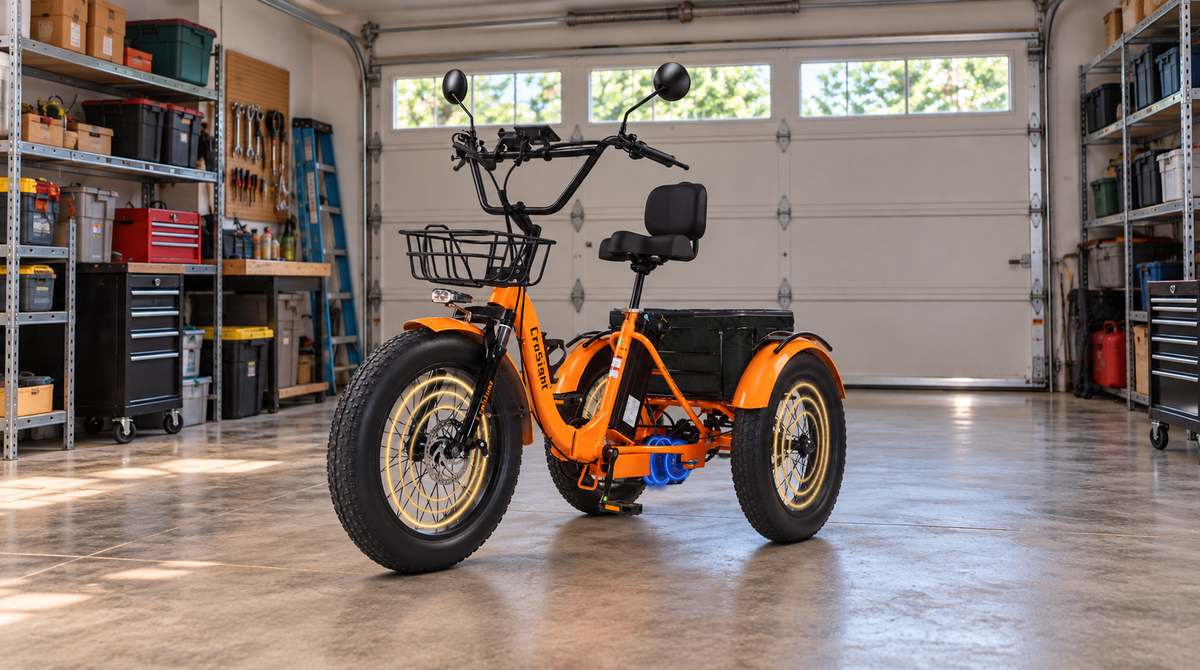
To review the current equipment and configuration, see the CroSight T3 Classic or CroSight T3 Pro. Check the specifications for the model and accessories you receive.

Deixar comentário
Este site é protegido por hCaptcha e a Política de privacidade e os Termos de serviço do hCaptcha se aplicam.